

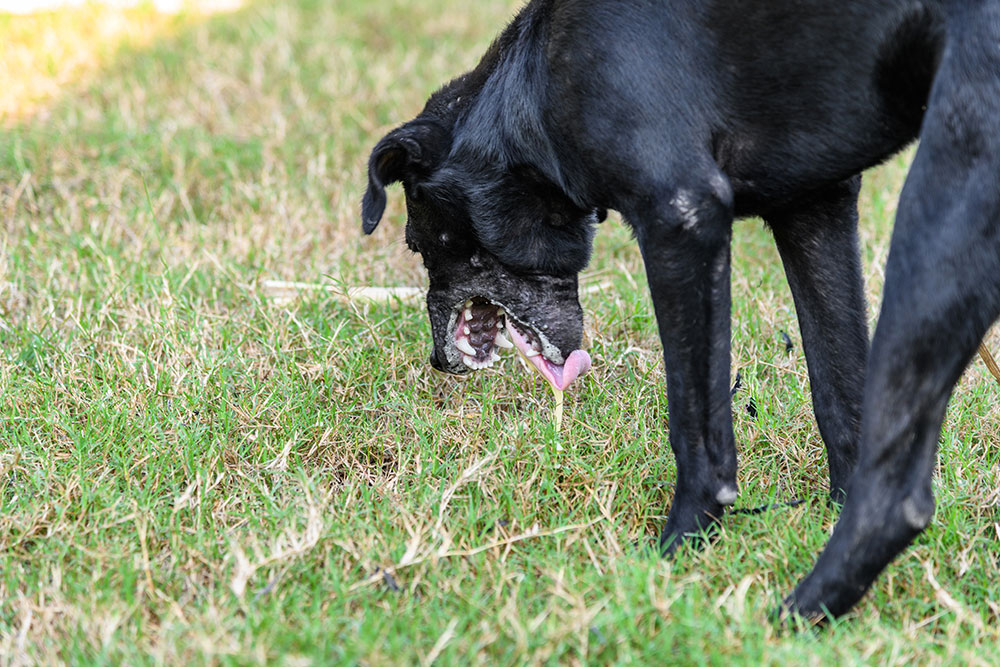
Vomiting and Diarrhea in Pets: When to Watch and When to Visit the Vet
Most pets vomit occasionally, and most pets have loose stools at some point, and most of the time, it resolves without intervention in a day or two. But there’s a subset of vomiting and diarrhea cases that are genuinely serious, and the challenge is distinguishing them from the “wait and see” situations without waiting so long that a treatable problem becomes a complicated one. The signs that shift a case from watchful waiting to “call the vet today” aren’t always obvious, and they’re worth knowing before you’re standing in the yard at midnight second-guessing yourself.
El Paso Animal Hospital in Derby brings over 150 years of combined team experience to the pets of South Central Kansas, and acute GI illness is one of the most common presentations we manage. Walk-ins are welcome, and our emergency and urgent care is available during open hours for the cases that can’t wait. Contact us or come in if your pet’s GI symptoms are escalating.
Recognizing What Vomiting and Diarrhea Look Like in Pets
What Different Types of Vomit Can Tell You
The appearance and timing of vomiting gives useful clinical information before any tests are run. The appearance of vomit helps narrow possibilities:
- Yellow or green indicates bile, often from an empty stomach
- Foamy white typically reflects stomach acid without recent food
- Undigested food suggests early-stage vomiting or eating issues
- Partially digested food points to delayed gastric emptying
- Red or pink-tinged indicates fresh blood (concerning)
- Coffee-ground appearance suggests digested blood in the stomach
- Brown, foul-smelling may indicate intestinal obstruction or other serious issues
A critical distinction: true vomiting involves abdominal effort, with your pet hunching and contracting their stomach muscles to expel the contents. Regurgitation looks more passive, with food simply coming back up. Conditions like megaesophagus cause regurgitation rather than vomiting and require a different diagnostic approach. Note timing, frequency, and appearance, and take photos when you can. They’re useful at the visit.
What Diarrhea Looks Like and What It Means
Diarrhea presentations vary in ways that matter clinically:
- Watery diarrhea suggests significant fluid loss and possible viral or toxic cause
- Soft, formed stool often reflects mild dietary upset
- Bloody diarrhea indicates inflammation, infection, or trauma in the GI tract
- Mucus-coated stool suggests large bowel inflammation
- Black, tarry stool indicates digested blood from upper GI bleeding
- Pale or clay-colored stool points to liver or pancreatic issues
Small bowel diarrhea in dogs typically produces large volume, less frequent stools and can come with weight loss. Large bowel diarrhea produces smaller amounts more frequently, often with mucus or fresh blood and straining. The distinction matters because each points in different diagnostic directions. Diarrhea in cats follows similar patterns. Acute diarrhea (less than 2 to 3 weeks) and chronic diarrhea (longer than that) require different workups.
Why GI Symptoms in Senior Pets Deserve Extra Attention
Older pets are more vulnerable to organ diseases that commonly first appear as chronic vomiting or diarrhea. Senior pet health changes are easier to recognize when established baseline lab values exist for comparison, and small shifts that wouldn’t matter in a young pet can be significant in an older one. Our senior pet care services include the bloodwork and monitoring that turns chronic GI symptoms into actionable diagnoses.
Which GI Symptoms Require Emergency Care?
Some signs cannot wait. Call us or come in immediately if you see:
- Blood in vomit or stool (anything more than a small streak)
- Unproductive retching with a distended, hard abdomen, especially in large or deep-chested dogs (a sign of bloat)
- Known or suspected toxin ingestion including chocolate, xylitol, medications, plants, or chemicals
- Suspected foreign body ingestion with subsequent vomiting
- Inability to keep water down for more than a few hours
- Severe lethargy, weakness, or collapse
- Pale, white, or gray gums indicating shock or significant blood loss
- Persistent vomiting more than 3 to 4 times in a few hours
- Unvaccinated puppies or kittens with vomiting and diarrhea (concern for parvovirus or panleukopenia)
- Signs of severe dehydration (sunken eyes, thick saliva, skin that doesn’t snap back)
Bloat (gastric dilatation-volvulus) and parvovirus are particularly time-sensitive. Bloat can become fatal within hours without surgical intervention. Parvovirus has a much better outcome with prompt treatment than with delayed care.
What Are the Most Common Causes of Vomiting and Diarrhea in Pets?
Causes span a wide range, and working through them systematically is how a diagnosis gets made.
Diet, Eating Habits, and Behavioral Causes
- Eating too quickly stretches the stomach rapidly and triggers vomiting in some dogs. Interactive feeders slow eating dramatically and reduce this kind of vomiting.
- Food intolerances and allergies produce chronic, low-grade GI symptoms that often resolve only with diet change. Food sensitivities can also overlap with our allergies and skin care workups, since GI and skin symptoms share underlying mechanisms.
- Sudden diet changes disrupt the gut microbiome, causing transient vomiting or diarrhea. Transitioning over 7 to 10 days reduces this.
- Dietary indiscretion (table scraps, garbage, novel treats) is the most common trigger we see for acute episodes.
- Hairballs in cats are common, but excessive frequency or vomiting without producing a hairball warrants evaluation.
- Motion sickness affects some pets, particularly puppies who haven’t built tolerance for car rides.
- Stress and anxiety can manifest as GI upset. Stress in dogs and feline stress often have GI components when prolonged.
Parasites, Infections, and Toxin Exposure
External agents can cause acute or chronic GI disease:
- Intestinal parasites including roundworms, hookworms, whipworms, tapeworms, giardia, and coccidia
- Viral infections including parvovirus, distemper, and panleukopenia in unvaccinated pets
- Bacterial infections like Salmonella, Campylobacter, and Clostridium
- Toxin ingestion from medications, household chemicals, or toxic plants
Parasite prevention year-round matters even for indoor-only pets, since fleas and parasites can hitchhike inside on humans, dogs, and other pets. Our preventative care includes year-round parasite protocols tailored to lifestyle and risk.
For those with puppies and kittens, our puppy and kitten care services include vaccination protocols and parasite prevention that protect against the most common causes of severe acute GI illness in young pets.
Systemic and Organ Disease
Vomiting and diarrhea aren’t always GI problems. Systemic conditions can present with these symptoms:
- Chronic kidney disease in cats and dogs commonly cause chronic vomiting
- Liver disease and gall bladder disease produce vomiting, decreased appetite, and sometimes jaundice
- Hyperthyroidism in cats causes vomiting and weight loss despite increased appetite
- Pancreatitis in dogs and cats produces severe vomiting, abdominal pain, and lethargy
- Exocrine pancreatic insufficiency where the pancreas no longer produces enough digestive enzymes causes profuse, light colored diarrhea and weight loss
Treating the symptom without identifying the underlying cause produces only temporary relief.
Primary GI Tract Disorders and Foreign Body Obstructions
Conditions originating in the GI tract include:
- Inflammatory bowel disease (IBD) causes chronic vomiting, diarrhea, and weight loss
- Intestinal lymphoma can mimic IBD and requires biopsy to distinguish
- Gastric ulcers cause vomiting, often with blood
- Bilious vomiting syndrome produces yellow vomiting on an empty stomach, typically in dogs
- Pyloric stenosis delays gastric emptying causing vomiting
- Gastric cancer, while less common, can cause chronic vomiting
GI obstructions from foreign body ingestion deserve special attention. Swallowed objects (toys, socks, corn cobs, bones, string) cause acute or sometimes intermittent symptoms. Partial obstructions can produce waxing-and-waning symptoms for weeks before becoming a full obstruction.
How Do You Manage Mild GI Cases at Home?
Home care is appropriate when your pet:
- Is otherwise alert, comfortable, and not showing any emergency signs
- Has had vomiting or diarrhea episodes that aren’t severe in volume or frequency
- Is keeping down small amounts of water
- Has no blood in vomit or stool
- Is an adult pet with current vaccinations and no chronic illness
- Is not lethargic
- Has had symptoms for less than 48 hours
The standard approach:
- Brief food fast of 12 hours for adult dogs, 6 hours for adult cats (skip this for puppies, kittens, or small or diabetic pets)
- Small amounts of water every 30 minutes to maintain hydration
- Bland diet reintroduction of plain boiled chicken (no skin or seasoning) and white rice, in small amounts every 3 to 4 hours
- Gradual transition back to normal food over 2 to 3 days as symptoms resolve
- Symptom logging including frequency, appearance, and any concerning changes
A useful at-home checkup helps you decide whether the situation is improving or worsening.
Home care is NOT appropriate for puppies under 6 months, senior or chronically ill pets, pets with emergency signs, blood in vomit or stool, or symptoms lasting more than 24 to 48 hours. When in doubt, call.
What Are the Risks of Ignoring Vomiting and Diarrhea?
Delaying care can turn manageable conditions into serious ones:
- Dehydration progresses quickly with persistent vomiting or diarrhea
- Intestinal damage from untreated obstructions or ulcers can become irreversible
- Malnutrition in chronic cases affects organ function and immunity
- Secondary infections can develop in compromised GI tracts
- Organ strain from prolonged dehydration affects kidneys
- Disease progression when underlying causes go unaddressed
Earlier diagnosis typically means more treatment options and better outcomes.
How Do We Diagnose the Cause of Vomiting and Diarrhea?
Physical Exam, Bloodwork, Urinalysis, Fecal, and Imaging
A thorough physical exam and detailed history start the process. Baseline diagnostics may include:
- Bloodwork to evaluate organ function, hydration, electrolytes, and inflammation
- Viral testing for parvo in young or undervaccinated pets
- Urinalysis to assess kidney function and rule out urinary causes
- Fecal testing to identify intestinal parasites or bacterial causes
- Radiographs (X-rays) to identify obstructions, masses, and gross abnormalities
- Ultrasound for detailed soft tissue evaluation including organ structure and intestinal wall
Our diagnostics capabilities include in-house lab with results in 30 to 60 minutes for most tests, plus digital radiography and reference lab access for advanced testing. Wellness records from prior visits make today’s results more meaningful.
When Are Elimination Diet Trials the Right Next Step?
When baseline diagnostics don’t reveal a clear cause, a structured diet trial is the next step. Two approaches:
- Novel protein diets use a protein source your pet has never been exposed to (kangaroo, rabbit, venison)
- Hydrolyzed protein diets break proteins into pieces too small for the immune system to recognize
Strict compliance for 8 to 12 weeks is essential. No treats, no table food, no flavored medications. Over-the-counter “limited ingredient” foods aren’t appropriate for diagnostic trials due to cross-contamination risk.
Endoscopy, Exploratory Surgery, and Biopsy
When initial diagnostics and diet trials haven’t identified a cause, endoscopy allows direct visualization and surface tissue sampling minimally invasively. Exploratory surgery is appropriate when imaging reveals abnormalities requiring hands-on evaluation or full-thickness samples. GI biopsy results are often essential for distinguishing IBD from intestinal lymphoma, since treatment for each differs entirely. Our surgical services handle exploratory surgeries, foreign body removals, and GI biopsies.
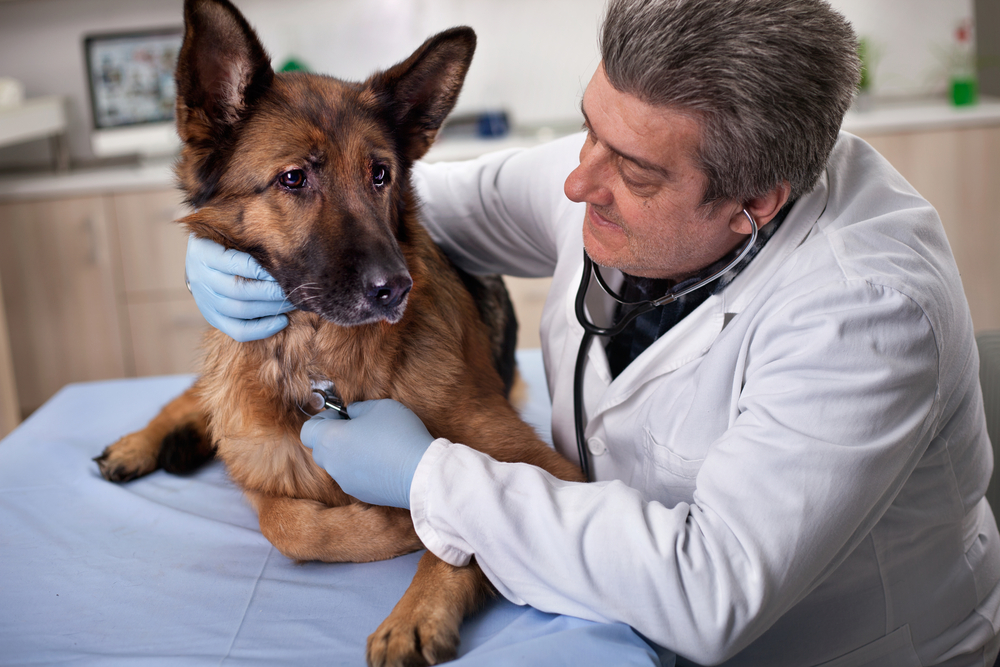
Treatment Options
Supportive and Symptomatic Care
For mild or self-resolving cases, treatment may include anti-nausea medications, fluid support (subcutaneous or IV), dietary modifications, and probiotics. Parasitic infections are treated with targeted antiparasitics. Vaccination prevents many of the most serious infectious causes.
Managing Food-Responsive GI Disease
Management centers on consistently maintaining the diet that resolved symptoms during the elimination trial. Practical considerations include strict treat and table food rules, planning ahead for travel, and watching for ingredient changes when manufacturers reformulate.
IBD Management
IBD typically requires anti-inflammatory or immunosuppressive medications combined with dietary adjustments. Individual responses vary, and treatment is refined over time based on each patient’s progress.
Treating Systemic Organ Disease
Treating the underlying systemic condition (kidney disease, hyperthyroidism, pancreatitis) typically produces significant improvement in GI symptoms. The general management approach for each varies by diagnosis.
When Is Surgical Intervention Needed for GI Emergencies?
Our surgery services handle most emergency surgery needs. We can often perform necessary operations immediately for emergencies that present during open hours, with laser therapy available post-operatively to support healing and reduce inflammation. For 24-hour monitoring, we transfer to local emergency facilities when needed.
Frequently Asked Questions
How long should I wait before calling about vomiting?
If your pet vomits once or twice but is otherwise comfortable, monitoring is reasonable. If vomiting persists more than 24 hours, occurs more than 3 to 4 times in a few hours, or is accompanied by any concerning signs, call.
Can I give my pet over-the-counter human medications?
No. Pepto-Bismol contains aspirin (toxic to cats), Imodium can mask serious problems, and many human GI medications aren’t safe in pets. Call before giving anything.
My pet eats grass and then vomits. Is this normal?
Occasional grass-eating with subsequent vomiting can be normal. Frequent grass-eating, persistent vomiting, or signs of nausea outside of these episodes warrant evaluation.
How do I know if my pet is dehydrated?
Lift the skin between the shoulders. In a hydrated pet, it snaps back immediately. Slow return suggests dehydration. Dry, tacky gums and sunken eyes are also signs.
What if my pet seems fine but had one episode of bloody diarrhea?
Bloody diarrhea warrants a visit even if your pet otherwise looks well. The cause matters, and waiting often makes diagnosis harder.
Getting Help When Your Pet Is Sick
Vomiting and diarrhea are stressful to navigate without knowing the cause, especially when you’re trying to decide whether to wait or come in. Most cases resolve quickly. The ones that don’t benefit from a methodical diagnostic approach that gets to the underlying problem and treats it directly. Our team handles everything from a simple upset stomach to complex chronic GI disease.
If your pet is showing concerning signs, reach out or use online booking to get scheduled quickly. We’re here to help you make sense of what’s happening and get your pet feeling better.





Leave A Comment